Valorant low cortisol aim turns Phoenix into a calm one-tap machine with 400 DPI and 0.625 sensitivity
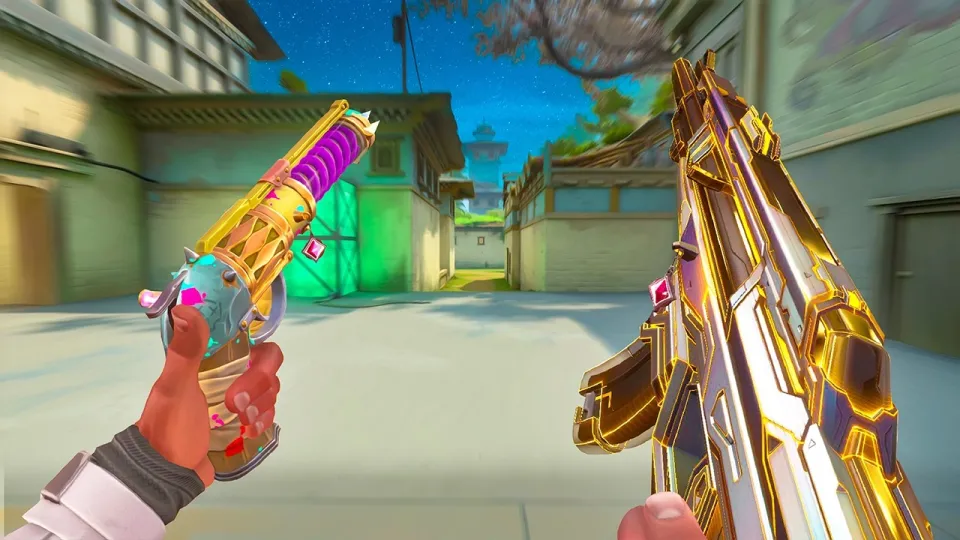
Video: low cortisol aim..
Want articles like this for your own video to promote it on YouTube and Google? Order them through the Telegram bot @sat_sit_bot. The bot writes and publishes the articles itself (with your YouTube video embedded) on popular topical websites (no ads). Try it free: 50 articles on us.
· based on the channel Rawzu
Key takeaways
- Rawzu runs 400 DPI with 0.625 in-game sensitivity, roughly 250 eDPI, on a 1440x1080 stretched resolution.
- Crosshair code 1-6-2-2 is a compact static dot-plus-line setup tuned for head-level tracking, not spray control.
- Gear: Logitech G Pro X Superlight 2, Artisan Zero Soft mousepad, Zowie XL2566K at 360Hz.
- Low cortisol aim means shooting from a settled crosshair and steady hand instead of flicking after the target appears.
- Phoenix's Curveball and Blaze let a calm aimer force duels on his own terms instead of reacting late.
Valorant low cortisol aim is a style of aiming built on a quiet hand, a pre-placed crosshair and short, deliberate corrections instead of panic flicks — the approach Rawzu demonstrates in his Phoenix gameplay. It works because most lost duels in Valorant start before the shot: the crosshair is too low, the wrist is tense, and the player reacts to movement rather than anticipating it. Calm aim replaces reaction speed with positioning and timing, which is why it holds up in ranked matches far longer than raw flick speed does.
If you want the same stable frames and input latency that make this style practical, Rawzu points players to PC optimization for Valorant via Hone, a free tool that tunes Windows and GPU settings for consistent performance.
What low cortisol aim actually means in Valorant
Low cortisol aim is the habit of keeping your mouse hand relaxed and your crosshair already at head level so the shot requires almost no movement. The name is a joke about staying unbothered, but the mechanic is real: a player who is not gripping the mouse hard can micro-adjust in two or three pixels, while a tense player overshoots and has to correct. In practice this means crosshair placement does most of the work and the flick is a formality.
The style shows up clearly in Phoenix play. Phoenix is a duelist built to hunt enemies and deny their ability to fire back: Blaze creates a vision-blocking wall that also deals damage, Curveball blinds opponents even when they hug corners, and Hot Hands plus the Run it Back ultimate make him durable enough to take the first fight. A calm aimer uses those tools to force duels at his own timing instead of walking into someone else's angle.
The exact Valorant settings behind the calm aim
Rawzu's Valorant setup is deliberately low-sensitivity, which is the mechanical foundation of steady aim. His numbers, as listed in the video description, are:
- Sensitivity: 400 DPI with 0.625 in-game, which equals 250 eDPI — a range that rewards arm movement and punishes wrist-only flicks.
- Resolution: 1440x1080, a stretched 4:3 format that widens player models and makes heads easier to read at distance.
- Crosshair: 1-6-2-2, a compact setup that keeps the center of the screen uncluttered so the target stays visible.
- Mouse: Logitech G Pro X Superlight 2, a light wireless shape that reduces the effort needed to stop a swipe.
- Mousepad: Artisan Zero Soft, a control-oriented pad that adds stopping friction.
- Monitor: Zowie XL2566K at 360Hz, which shortens the gap between what you see and what you can react to.
Every item on that list pushes in the same direction: less speed, more control. A control pad and a low eDPI mean the mouse physically stops where you stop pushing it, which is exactly what calm aim requires.
Why 250 eDPI suits Phoenix duels
A 250 eDPI range makes wide swings slower but makes small corrections almost automatic. At 400 DPI and 0.625, a full swipe across an Artisan Zero Soft covers a large turn, but the pixel-level movement needed to move from a shoulder to a head is a tiny wrist motion. That ratio is why low-sensitivity players win close-range Phoenix fights: the enemy's strafe is large, your correction is small.
The trade-off is that you cannot rely on a fast 180-degree flick to save a bad angle. Instead, calm aimers pre-aim the common holding spots and let the enemy walk into the crosshair. On Phoenix this pairs naturally with Curveball, since a flashed opponent moves predictably and gives you a stationary target rather than a strafing one.
Movement habits that keep the aim steady
Steady aim in Valorant is mostly a movement problem, not a mouse problem. Viewers of Rawzu's clips regularly single out his movement as the standout element rather than the flicks, and that is the correct read: clean counter-strafing means the shot happens while the character is already stopped, so no correction is needed to compensate for momentum.
The habits that matter most:
- Stop before you shoot. Release the movement key and let the counter-strafe settle the character, then fire.
- Keep the crosshair at head height while clearing angles, including while walking through your own Blaze wall.
- Use short strafe bursts between shots instead of long commits, so your hand never has to travel far.
- Reset the crosshair to the next likely angle immediately after a kill rather than admiring the result.
- Breathe and loosen the grip between rounds; tension in the forearm is what turns a two-pixel correction into a miss.
Gear and performance choices worth copying
The hardware list is not decoration — each piece supports the low-effort aim style. A 360Hz monitor matters because calm aim depends on seeing the enemy's first step early; higher refresh rates reduce the delay before that step appears. A light wireless mouse like the Superlight 2 reduces the inertia you have to fight when stopping a swipe, and a soft control pad like the Artisan Zero gives that stop a defined edge.
Frame consistency matters just as much as the peripherals. Stutters and frame-time spikes break the timing that calm aim relies on, which is why the video's first link is a PC optimization tool rather than a sensitivity guide. If your frames swing between 200 and 400, your crosshair placement will drift with the input lag.
Questions viewers keep asking about this playstyle
Viewers watching the Phoenix clips tend to raise the same practical doubts: whether such a low sensitivity can handle close-range fights, whether the stretched resolution is required, and whether the calm style is learnable at lower ranks. The short answers: yes, low sensitivity is fine up close if your crosshair is pre-placed; no, 1440x1080 is a preference and native works with the same habits; and yes, the style is learnable because it is built on repeatable positioning rather than reflexes.
Another recurring theme is how much of the clip is genuine aim versus ability usage. Phoenix's Curveball and Blaze do a large share of the work by removing the enemy's ability to return fire, so a calm player can take fights that would be reckless on another agent. The aim is real, but the agent choice is what makes it look effortless.
Useful links
Bringing the calm aim into your own ranked games
The low cortisol approach is less about a magic sensitivity and more about removing reasons to panic: pre-placed crosshair, stopped movement before the shot, and an agent whose utility forces the duel on your terms. Copy the 400 DPI and 0.625 starting point, give it a week of deathmatches before judging it, and pair it with a control pad and a light mouse so the physical stop matches the mental one. The channel Rawzu is the source of this Phoenix-focused breakdown, and its clips are a useful reference for what steady aim looks like when utility and movement are working together. If you want the frame stability that makes the style repeatable, start with the Hone PC optimization for Valorant link and tune your system before you tune your sensitivity again.
Questions & answers
What sensitivity does Rawzu use in Valorant?
Rawzu plays at 400 DPI with 0.625 in-game sensitivity, which works out to 250 eDPI. That is on the low end of the common range, so it rewards arm movement and small wrist corrections rather than fast flicks.
Is low cortisol aim just a meme or a real technique?
It is a real technique with a joking name. The idea is to keep the hand relaxed and the crosshair pre-placed so the shot needs minimal correction, which reduces overshoot and makes your aim repeatable across rounds.
Do I need a stretched resolution like 1440x1080 to aim calmly?
No. Rawzu uses 1440x1080 because wider models are easier to read, but the underlying habits — head-level crosshair, counter-strafing, stopping before firing — work on native resolution too.
Why does Phoenix suit this playstyle so well?
Phoenix's Curveball blinds enemies even behind corners and Blaze blocks vision while dealing damage, so he can force duels where the opponent cannot fire back. That lets a calm aimer take fights at his own timing instead of reacting to someone else's angle.
Source: low cortisol aim.. · Markdown version